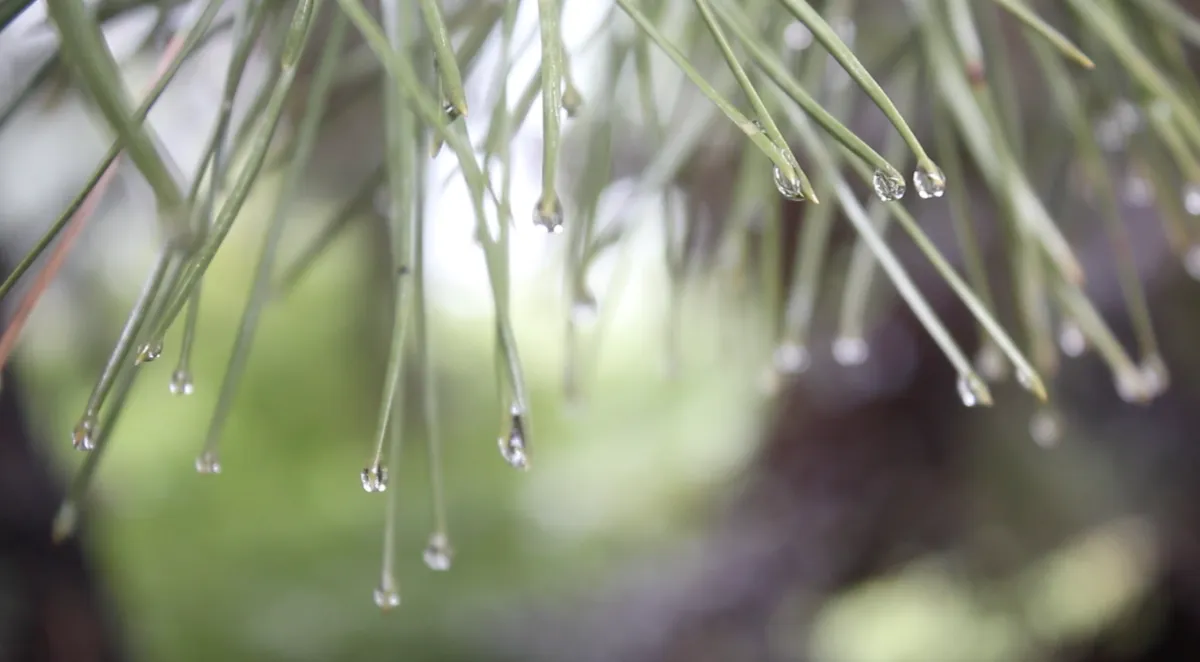
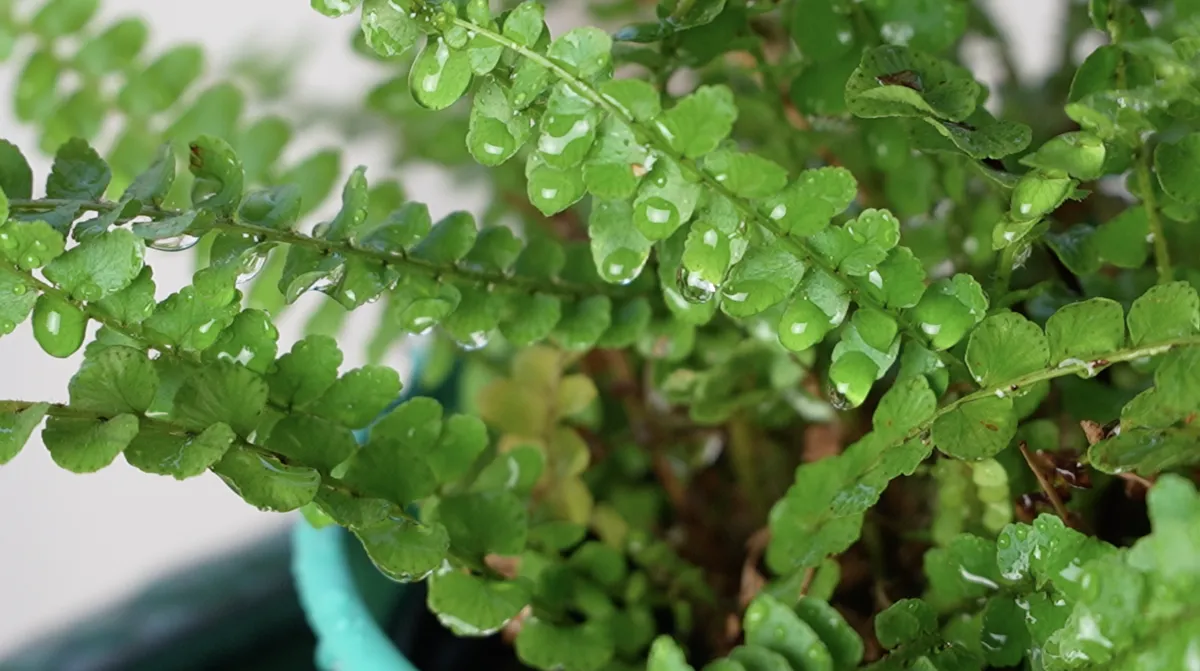
Whenever rain or snow is in the forecast, I grab a large pot and set it outside to collect.
Why?
Because rainwater offers a surprisingly rich and gentle way to water your houseplants, one that tap water often can’t match.
Rainwater brings trace nitrogen from the sky
Nitrogen is one of the most essential macronutrients for plant growth. As rain forms and falls through the atmosphere, it can pick up small amounts of nitrogen compounds and deliver them to the soil below.
It’s not a heavy dose, but over time, it’s a quiet, natural supplement.
It’s naturally soft and free of additives
Unlike tap water, rainwater doesn’t contain chlorine, dissolved salts, or the residual chemicals used in municipal treatment systems.
For sensitive houseplants, this matters. Over time, salts and minerals in tap water can build up in the soil and stress plant roots.
Rainwater, by contrast, is gentle and clean.
It's slightly acidic, just how most plants like it
Most houseplants prefer a slightly acidic to neutral pH (around 6–7). Rainwater naturally falls within this range, while tap water is often treated to be more alkaline to protect pipes.
Using rainwater can help keep your soil chemistry closer to what plants evolved in.
It adds a touch of life from the landscape
If rainwater runs across organic surfaces, like leaves, soil, or even a garden bed, before being collected, it can pick up small amounts of organic matter and microbes.
In that sense, it starts to resemble a very mild, diluted “compost tea,” bringing a bit of the outside ecosystem into your pots.
Next time it rains or snows, set something out and collect a little.
Water your plants with it.
You might notice plants responding to water that feels a bit more like home.